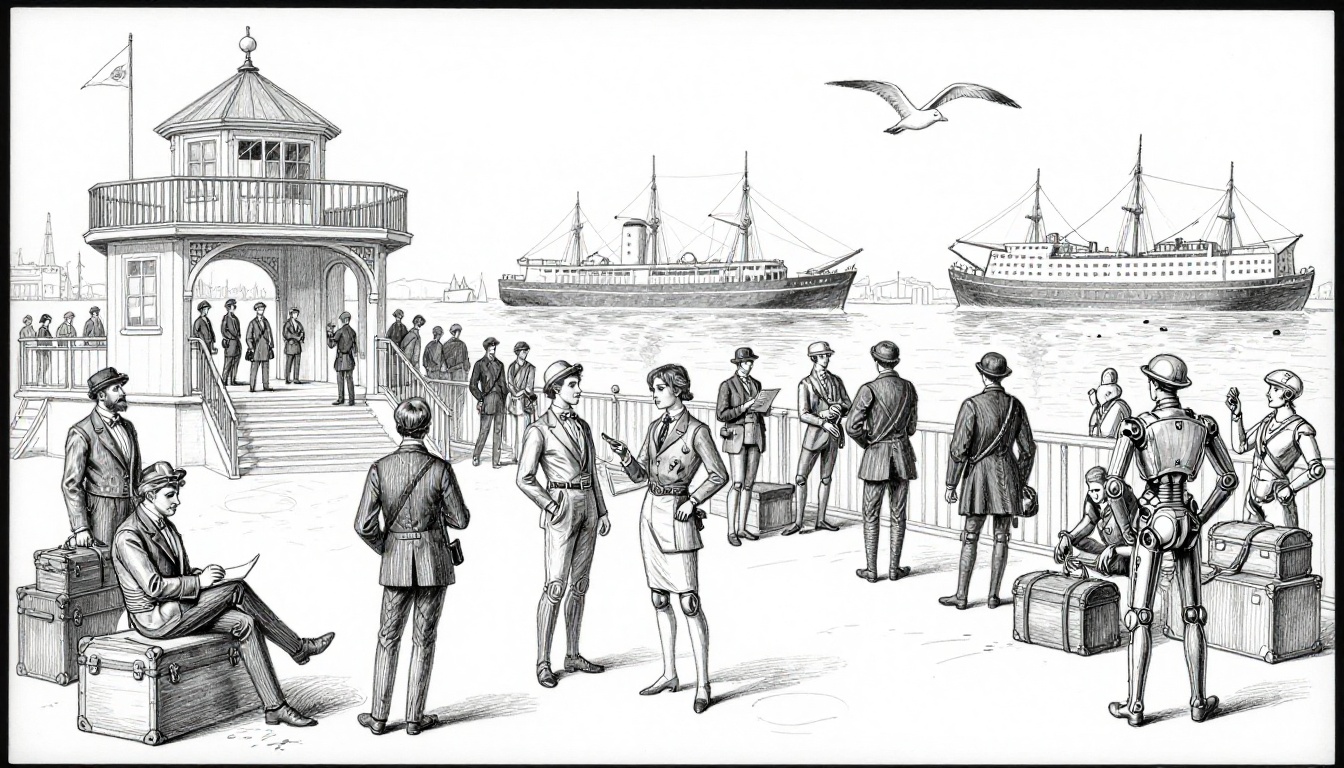
Travel agencies use AI to improve customer experience
January 25, 2024 • Source: phptravels
Travel agencies are increasingly leveraging artificial intelligence to deliver personalized and efficient customer experiences. AI-powered systems are enabling smarter and faster service delivery, transforming traditional agency operations and enhancing customer satisfaction.
**Key Facts:** • AI adoption enhances customer experience for travel agencies. • AI enables personalized travel recommendations and tailored services. • AI streamlines operations and automates back-office tasks. • AI improves demand forecasting and dynamic pricing strategies. • AI enhances fraud detection and prevention.
Travel agencies are rapidly integrating artificial intelligence (AI) to personalize customer interactions and streamline operations, signaling a major shift in how travel services are delivered and managed.
AI-Driven Personalization and Service Optimization
AI's impact on travel agencies centers around its ability to personalize customer experiences. AI algorithms analyze vast datasets of customer preferences, travel history, and real-time travel patterns to provide tailored recommendations and travel solutions. This enhanced personalization leads to increased customer satisfaction and loyalty.
AI-powered chatbots and virtual assistants are becoming commonplace, offering instant support and handling routine inquiries, freeing up human agents to focus on complex or high-value customer interactions. This hybrid approach optimizes resource allocation and reduces response times.
The adoption of AI facilitates dynamic pricing and inventory management. Travel agencies can leverage AI to predict demand fluctuations and adjust pricing strategies accordingly, maximizing revenue and offering competitive deals to customers.
Operational Efficiencies and Automation
AI is automating many back-office tasks, streamlining operational processes and reducing manual workloads. Tasks such as data entry, invoice processing, and report generation can be automated, allowing agency staff to focus on strategic initiatives and customer-facing activities.
AI-powered systems can automate itinerary planning and booking processes, significantly reducing the time required to create and manage travel arrangements. This efficiency gain enables agencies to handle a higher volume of bookings and serve customers more effectively.
Fraud detection and prevention are enhanced through AI algorithms that identify suspicious transactions and patterns, protecting both the agency and its customers from fraudulent activities. This enhanced security fosters trust and confidence in the agency's services.
Implications for Travel Industry Stakeholders
For airlines, AI-powered travel agencies can provide more targeted distribution channels, reaching specific customer segments with personalized offers. This can lead to increased load factors and revenue optimization.
Hotels can benefit from AI-driven demand forecasting, enabling them to optimize pricing strategies and improve occupancy rates. Travel agencies using AI can also provide valuable insights into customer preferences, allowing hotels to tailor their services and offerings.
Online travel agencies (OTAs) face increased competition from traditional agencies that are leveraging AI to enhance their customer service and personalization capabilities. OTAs need to invest in AI technologies to maintain their competitive edge and deliver superior customer experiences.
Travel management companies (TMCs) can leverage AI to improve their corporate travel programs, offering more efficient booking processes, personalized travel itineraries, and enhanced cost control. AI can also help TMCs track and manage travel expenses more effectively.
Considerations for Airports and Technology Providers
Airports can leverage AI-powered travel agencies to provide passengers with personalized information and assistance, improving the overall airport experience. AI-driven chatbots can answer passenger questions, provide flight updates, and guide passengers through the airport.
Travel technology providers are playing a critical role in enabling travel agencies to adopt AI. They are developing and deploying AI-powered solutions that address specific industry needs, such as personalization, automation, and fraud detection. Investment in these solutions is crucial for the continued advancement of the travel industry.
Published January 25, 2024
More NewsLast updated: May 5, 2026