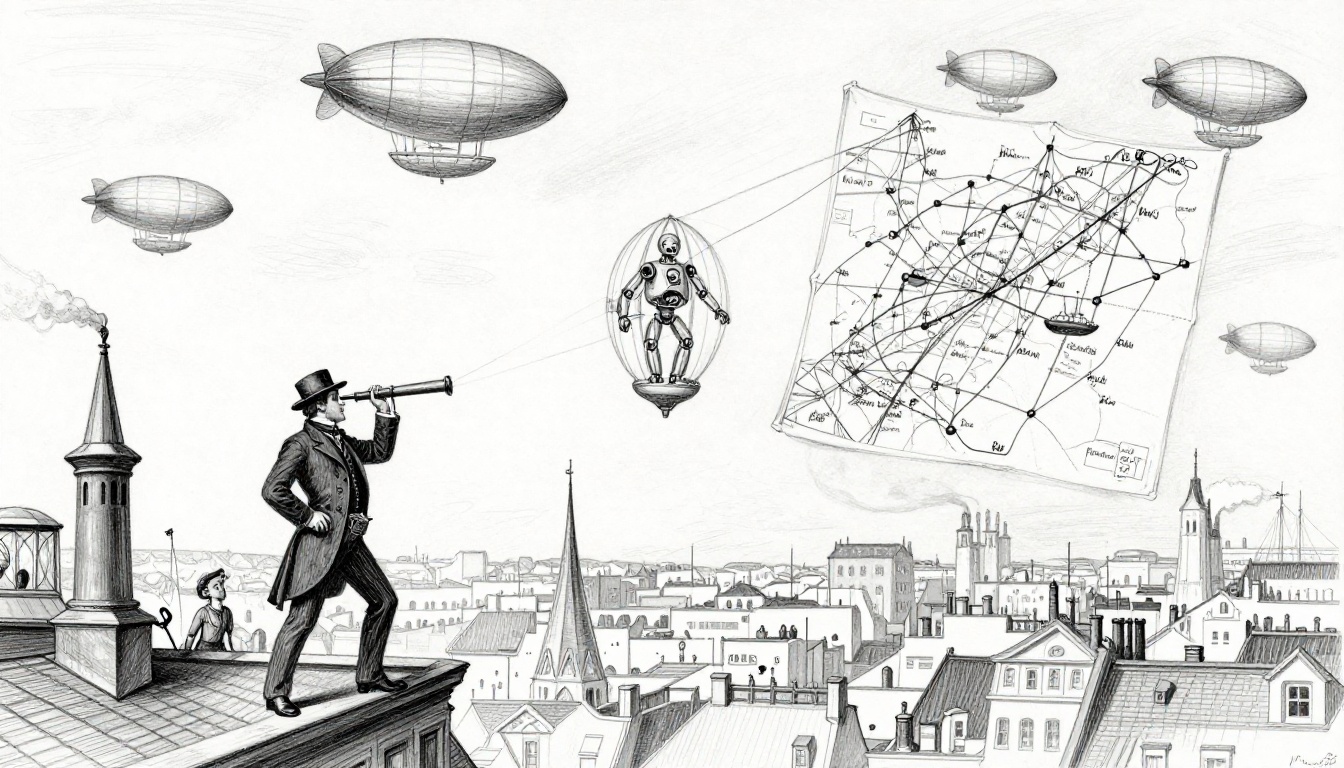
AI is Quietly Transforming the Entire Aviation Industry
May 29, 2026 • Source: Aviation Travel News
Artificial intelligence is rapidly permeating all facets of the aviation industry, driving advancements from AI-assisted flight decks and predictive maintenance to biometric-enabled airports and intelligent air traffic management. Airlines, airports, Airbus, and regulatory bodies are making significant investments in these transformative technologies.
**Key Facts:** • AI is transforming aircraft cockpits with advanced decision support systems. • Predictive maintenance powered by AI minimizes aircraft downtime and maintenance costs. • Airports are leveraging AI for biometric boarding, automated processes, and enhanced security. • AI is optimizing air traffic management, reducing congestion and improving safety. • Aviation regulators are using AI to improve safety oversight and compliance.
Artificial intelligence is no longer a futuristic concept in aviation; it is a present-day reality reshaping operations, enhancing safety, and optimizing efficiency across the entire industry ecosystem.
AI-Powered Enhancements in Aircraft Operations and Maintenance
AI is transforming aircraft cockpits through advanced decision support systems. These AI-powered tools provide pilots with real-time data analysis, weather pattern predictions, and optimal flight path suggestions, enhancing situational awareness and reducing workload. The implementation of AI in flight operations is improving safety margins and contributing to more efficient fuel consumption.
Predictive maintenance is another key area where AI is making significant inroads. By analyzing sensor data from aircraft components, AI algorithms can identify potential maintenance issues before they escalate into major problems. This proactive approach minimizes downtime, reduces maintenance costs, and improves overall aircraft reliability. Airlines are leveraging these capabilities to optimize their maintenance schedules and improve fleet availability.
Airbus is at the forefront of integrating AI into its aircraft design and manufacturing processes. AI-driven simulations are used to optimize aerodynamic performance, reduce weight, and improve fuel efficiency of new aircraft models. These advanced design tools enable engineers to explore a wider range of design options and accelerate the development cycle.
Smarter Airports and Enhanced Passenger Experiences Through AI
AI is revolutionizing the airport experience through biometric identification and automated processes. Biometric boarding systems are streamlining passenger check-in and security procedures, reducing wait times and improving overall efficiency. Facial recognition technology is also being used to enhance security measures and prevent unauthorized access to restricted areas.
AI-powered robots and virtual assistants are providing passengers with real-time information and assistance throughout the airport. These intelligent systems can answer questions, provide directions, and offer personalized recommendations, enhancing the overall passenger experience. Furthermore, AI is optimizing resource allocation, such as gate assignments and baggage handling, to improve operational efficiency.
AI is also playing a crucial role in optimizing airport security operations. AI-powered surveillance systems can automatically detect suspicious behavior and alert security personnel, enhancing safety and security throughout the airport. These advanced security measures contribute to a safer and more secure environment for travelers and airport staff.
AI's Impact on Air Traffic Management and Regulatory Oversight
AI is transforming air traffic management (ATM) systems, enabling more efficient and safer air travel. AI algorithms are used to optimize flight routes, reduce congestion, and minimize delays. These intelligent ATM systems can predict potential conflicts and automatically adjust flight paths to avoid collisions, enhancing safety and improving overall efficiency.
Aviation regulators are also leveraging AI to improve safety oversight and compliance. AI-powered tools can analyze vast amounts of data to identify potential safety risks and ensure that airlines and airports are adhering to safety regulations. This proactive approach helps to prevent accidents and improve the overall safety of the aviation industry.
The integration of AI into ATM is paving the way for more autonomous air traffic control systems. These systems can automatically manage air traffic flow, reducing the workload on human controllers and improving overall efficiency. The transition to autonomous ATM systems will require careful planning and regulatory oversight to ensure safety and reliability.
Implications for Airlines, OTAs, and Travel Management Companies
For airlines, AI offers the potential to significantly reduce operating costs, improve fuel efficiency, and enhance customer satisfaction. AI-powered revenue management systems can optimize pricing strategies and maximize revenue per available seat mile (RASM). Furthermore, AI can personalize the passenger experience, offering targeted promotions and customized services.
Online travel agencies (OTAs) can leverage AI to provide more personalized and relevant travel recommendations to their customers. AI algorithms can analyze user data to understand travel preferences and suggest itineraries that are tailored to individual needs. This personalized approach can increase booking conversions and improve customer loyalty.
Travel management companies (TMCs) can use AI to optimize corporate travel programs and reduce travel expenses. AI-powered tools can analyze travel patterns and identify opportunities to negotiate better rates with airlines and hotels. Furthermore, AI can automate travel booking and expense reporting, streamlining the travel management process for corporate clients.
Published May 29, 2026
More NewsLast updated: May 31, 2026